

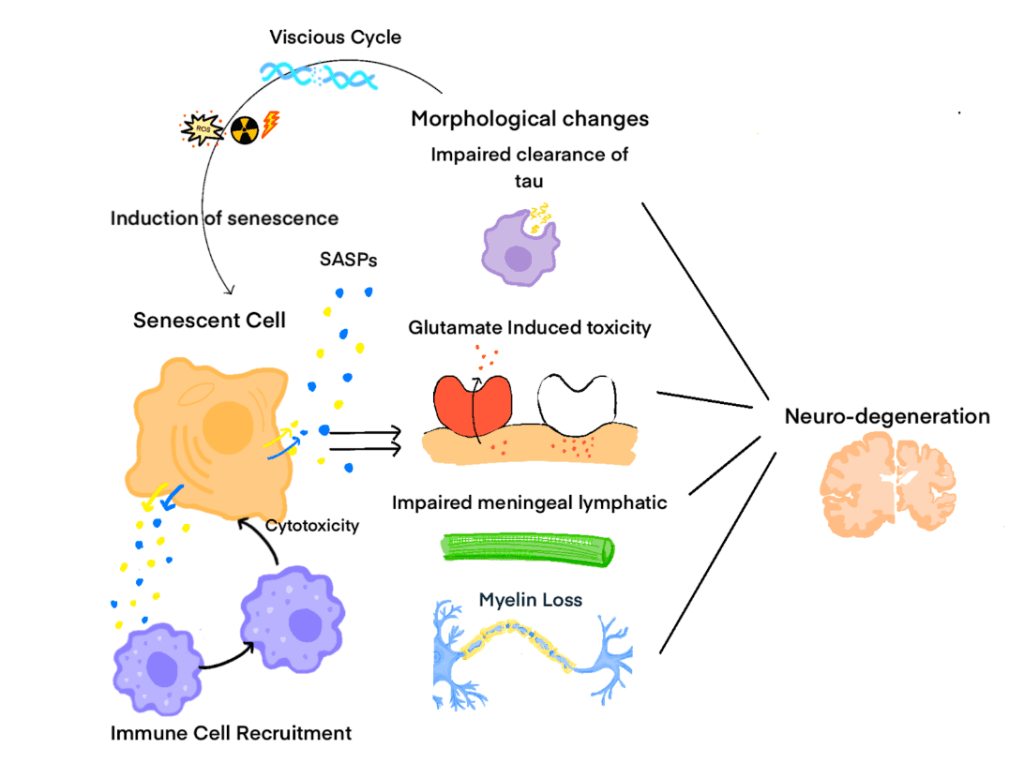
Exploring the Role of Senescent Cells in Neurodegenerative Pathology: A Window Into Promising Therapeutic Avenues
— 2024
There is strong evidence that cellular senescence is involved in the pathogenesis of neurodegenerative diseases such as Alzheimer’s and Parkinson’s disease. Presence of abnormal tau protein in mouse models is implicated in senescence phenotypes leading to cognitive decline, while the significance of pro-inflammatory molecules called senescence-associated secretory phenotypes (SASPs) in inflammation and degeneration highlights its potential importance in disease treatment. Understanding the involvement of senescence in disease progression is vital to develop effective treatment strategies. Clearance of such cells can be performed through senolytics drugs that disturb non-apoptosis pathways. Alternatively, senomorphics involve the suppression of senescence burden, rather than elimination through apoptosis, through the intervention of SASP factors that elicit neuroinflammation and tau toxicity. Other therapeutic approaches involve targeting mitochondrial dysfunction to attenuate neuroinflammation and senescence stressors, thereby preventing the formation of a feedback loop. This review offers insights into the mechanisms of neuro-degeneration driven by cellular senescence in the brain and outlines novel therapeutic strategies to reduce the senescence burden and slow disease progression.
A Quantitative Comparison of the Knockdown Efficiencies of CRISPR/Cas9 and CRISPR-Cas12 in Caenorhabditis elegans
— 2022
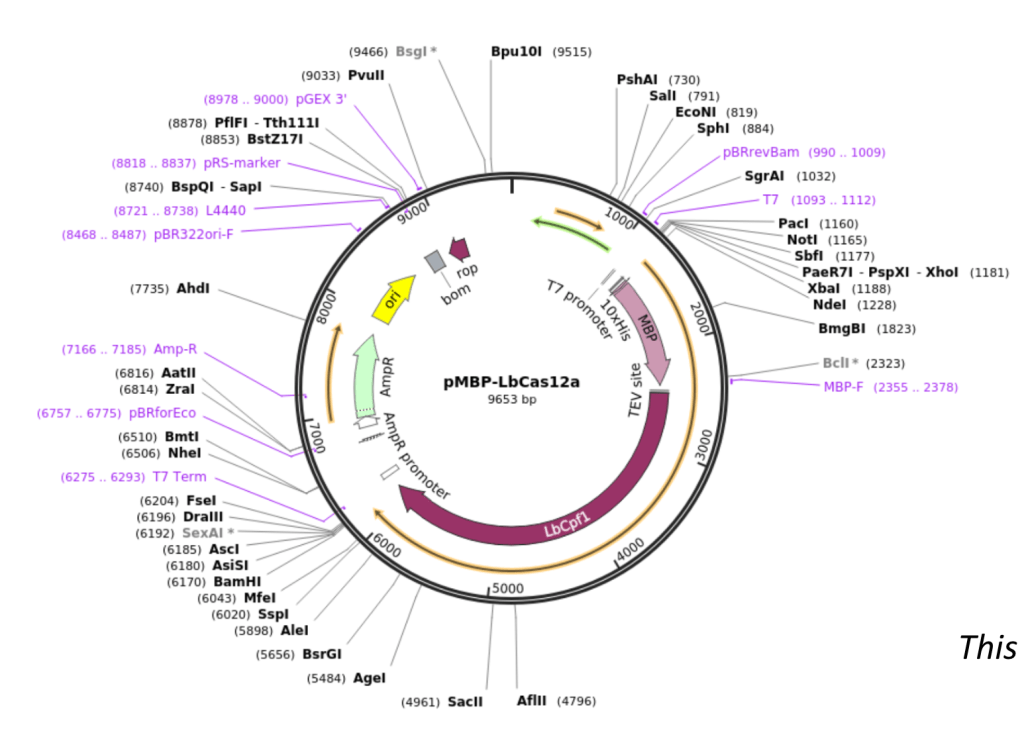
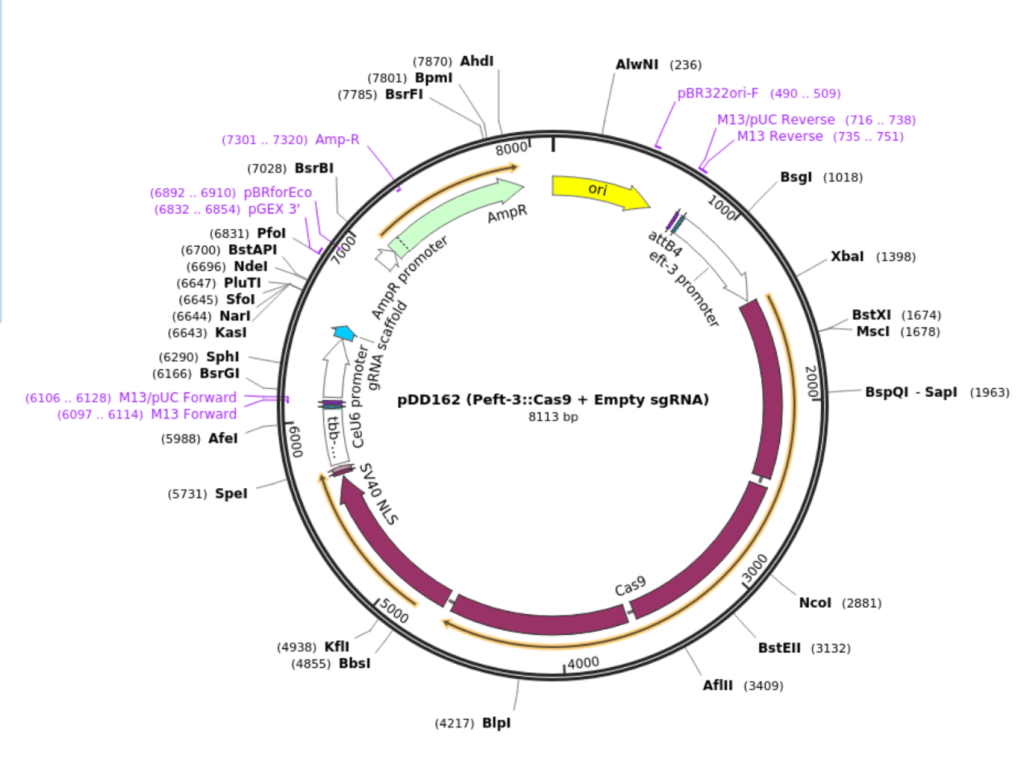
Currently, many gene editing studies employ CRISPR/Cas9, however its low accuracy and knockdown efficiency is problematic. CRISPR-Cas12, a newer and potentially more accurate variant, is hypothesized to have a higher knockdown efficiency than CRISPR/Cas9 in Saccharomyces cerevisiae and various plants. However this has not been quantitatively verified in mammalian cells. Our study compares the loss of gene function efficiencies of CRISPR/Cas9 and CRISPR-Cas12 through decreasing green fluorescent protein (GFP) expression in Caenorhabditis elegans via CRISPR-mediated deletion. We used the LP162 strain of C. elegans which endogenously expresses GFP. We used C. elegans due to the similarity of molecular pathways to those of humans, their simple anatomy, and their fast reproductive cycle. Through bacterial transformation, we expressed our modified plasmid (containing the gRNA sequence, Cas endonuclease sequence, and C. elegans-specific promoters) in Escherichia coli. The C. elegans subsequently ingested the transformed bacteria. Fluorescence and protein expression were used as assays to determine the efficacy of CRISPR-mediated GFP deletion. We hope to show a quantitative assessment of the difference in loss of function efficiencies between CRISPR/Cas9 and CRISPR-Cas12 when used to delete GFP in C. elegans. Our goal is for these findings to be valuable for researchers seeking to use the most efficient Cas endonuclease for gene knockdown experiments.
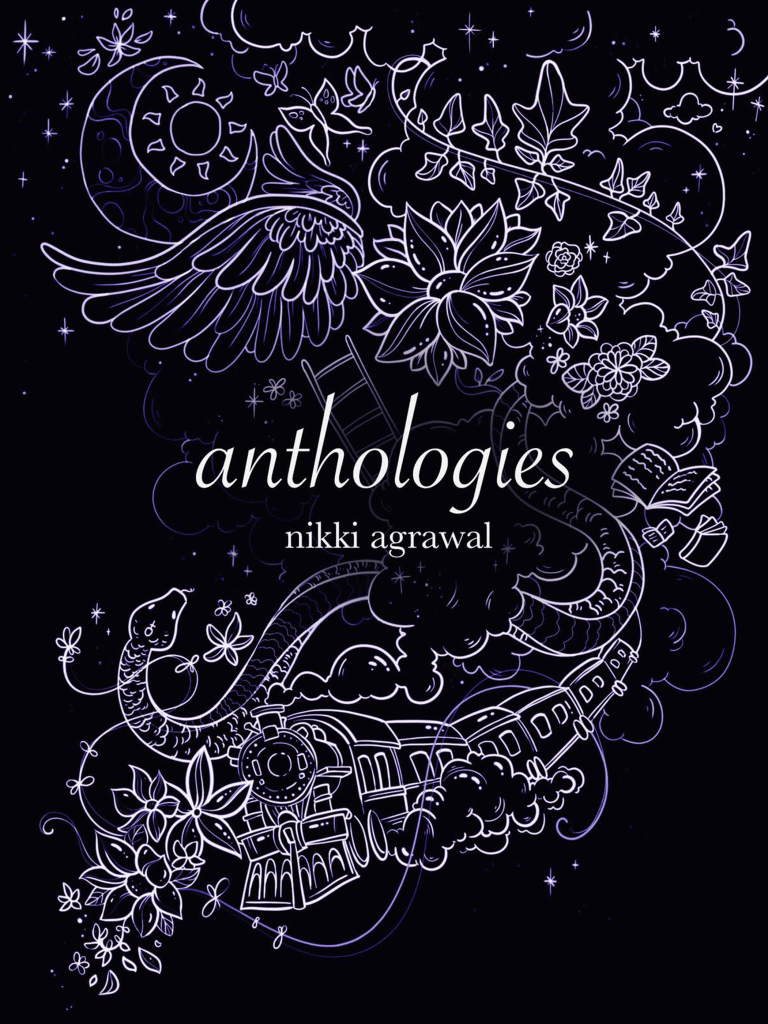
anthologies : a collection of short stories and poetry
— 2021
Travel into a world of forgotten myths, poetry, futuristic stories, and little snippets of life that we often overlook. In this collection of short stories and poetry, Nikki Agrawal, author of the fiction book Like a Butterfly, experiments with dozens of styles of writing, creating ancient love songs and futuristic zombie fights, all in the span of one collection.
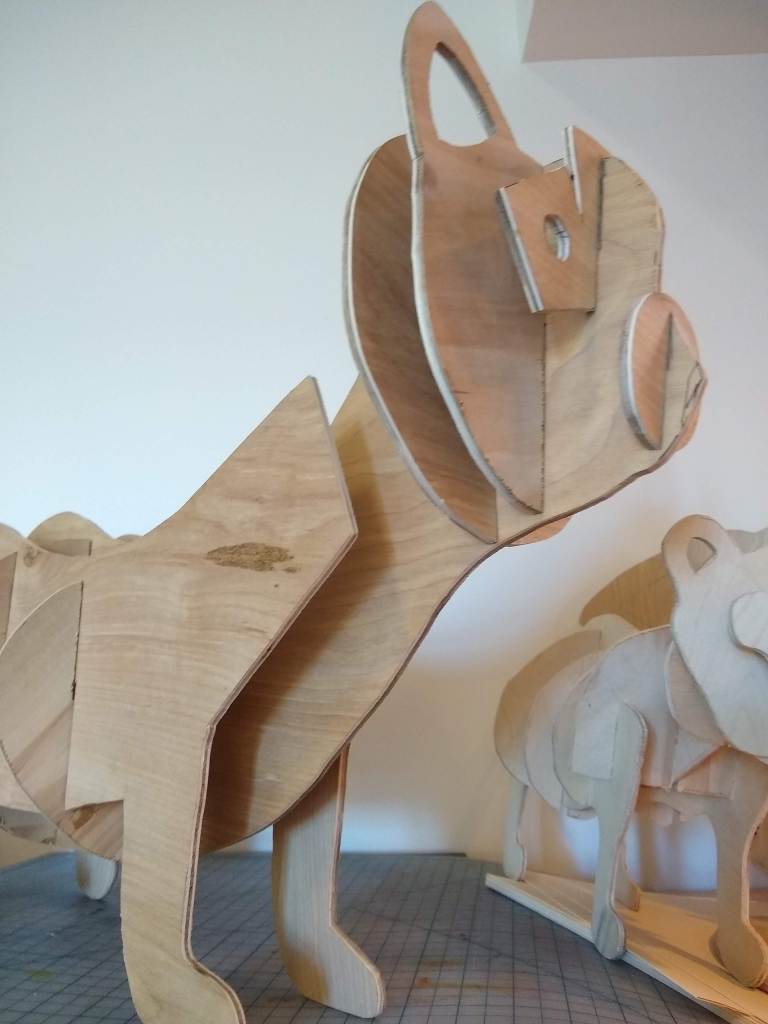
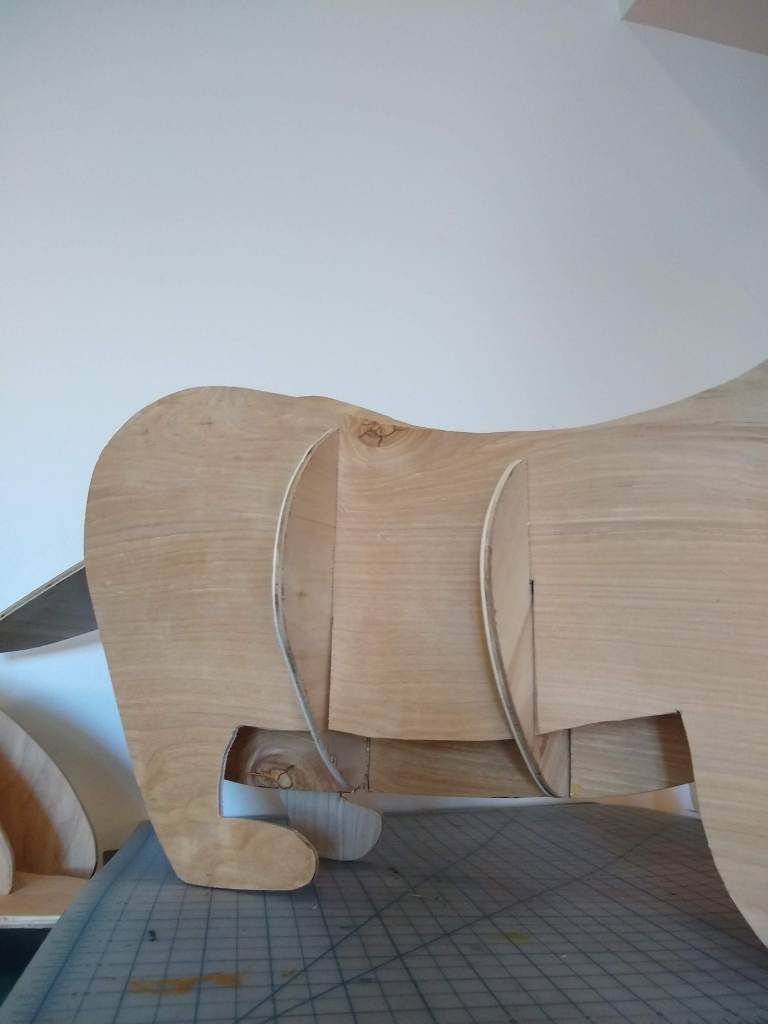
Sculpture of a Ferret in Wood
— 2020
This was an art project for a class on Art and Fabrication. It was a ferret created in flat-pack wood, with ten pieces of flat wood slotted together. Carving was done in a woodshop with various bansaws, and plotted out via multiple sketches and iterations in cardboard.
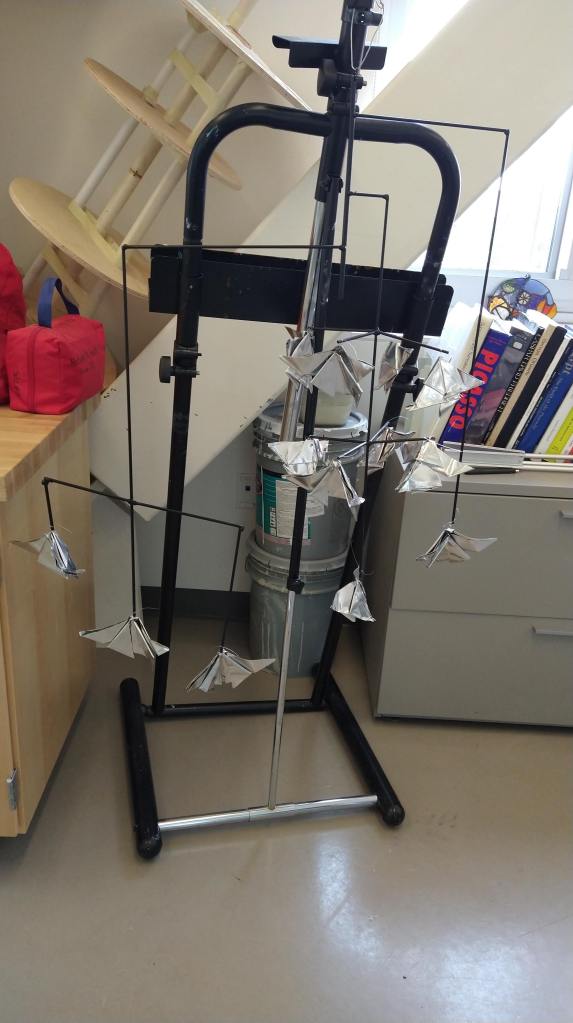
A Mobile of Metal Butterflies
— 2020
This was an art project for an Advanced Art and Fabrication class. It was a mobile made out of metal rods that I cut and welded together with MIG Welding, then spraypainted black. Onto the metal frame I folded thirteen butterflies using orgami out of sheet metal, each butterfly taking about fifteen minutes to fold with the assistance of pliers. Then, I drilled holes into the top of each butterfly and tied them with clear string to the metal frame, to juxtapose the freedom of butterflies with the stiffness of metal.
Like a Butterfly: A Novel Based on Greek Myths
— 2019
“The ivy keens and curls around her wrist, begging to join the yellow jasmine.”
Toni Rigel is born into a harsh life, and even while she collects family around herself, visions haunt her of another life. All the while, a threat looms on the horizon. To stop it, she must come to terms with herself and her powers with the help of her family.

 Niharika Agrawal